
Discover the advantages of raw cat food for feline health and well-being in this informative article.
Explore the nutritional benefits of a raw diet, learn how to transition your cat to this feeding method dog treats, and understand the precautions necessary for safe consumption.
Delve into the comparisons between DIY and commercial raw cat food options to make an informed choice that aligns with your commitment to providing optimal nutrition for your beloved pet.
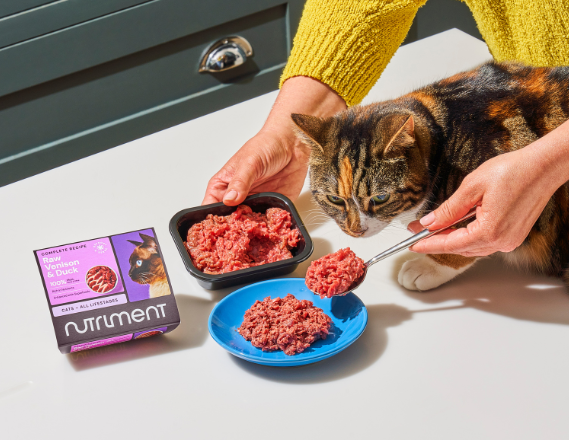
Benefits of Raw Cat Food
The advantages of feeding raw cat food include improved digestion and nutrient absorption. Cats, being obligate carnivores, have specific dietary requirements that can be better met through a raw food diet. Raw cat food typically consists of muscle meat, organs, and bones, mimicking what a cat would eat in the wild. This diet provides essential nutrients in their natural form https://nourish.petuniverse.com/, which can enhance a cat’s overall well-being.
Furthermore, raw cat food lacks the additives and preservatives often found in commercial cat food, offering a more natural and wholesome option for feline nutrition. By eliminating these artificial ingredients, cats may experience fewer digestive issues and allergies, leading to a healthier digestive system.
Moreover, the raw diet can help maintain a cat’s dental health. Chewing on raw meat and bones can help reduce plaque and tartar buildup, promoting good oral hygiene and preventing dental problems down the line.
Nutritional Value of Raw Diet
Exploring the nutritional value of a raw diet for cats reveals its potential to meet their specific dietary requirements effectively. Raw diets typically consist of muscle meat, organs, and bones, reflecting what cats would eat in the wild. These diets are rich in protein, essential amino acids, vitamins, and minerals crucial for feline health. By feeding cats a raw diet, owners can provide a nutrient-dense meal that supports their natural dietary needs.
One significant advantage of raw diets is the higher moisture content compared to dry kibble, aiding in hydration, especially for cats that may not drink enough water. Additionally, raw diets often contain fewer carbohydrates, closer to a cat’s natural diet as obligate carnivores. This can help prevent obesity and related health issues.
However, it’s essential to ensure the raw diet is balanced and complete to avoid nutrient deficiencies. Consulting with a veterinarian or a feline nutritionist can help create a well-rounded raw diet plan tailored to meet a cat’s individual needs for optimal health and well-being.
Transitioning to Raw Cat Food
Transitioning to a raw cat food diet requires careful planning and gradual implementation to ensure a smooth adjustment for feline companions. To start the transition, gradually introduce small amounts of raw food alongside their regular diet. This allows cats to become familiar with the new food without causing digestive upset. Over the course of about a week, slowly increase the portion of raw food while decreasing the portion of their previous diet until they are fully transitioned to the raw diet.
It is essential to monitor your cat’s health and behavior throughout the transition. Look for any signs of digestive issues, such as vomiting or diarrhea, and adjust the transition speed accordingly. Additionally, ensure that the raw diet provides all the necessary nutrients for your cat’s well-being. Consulting with a veterinarian or a pet nutritionist can help create a balanced raw diet plan tailored to your cat’s specific needs.
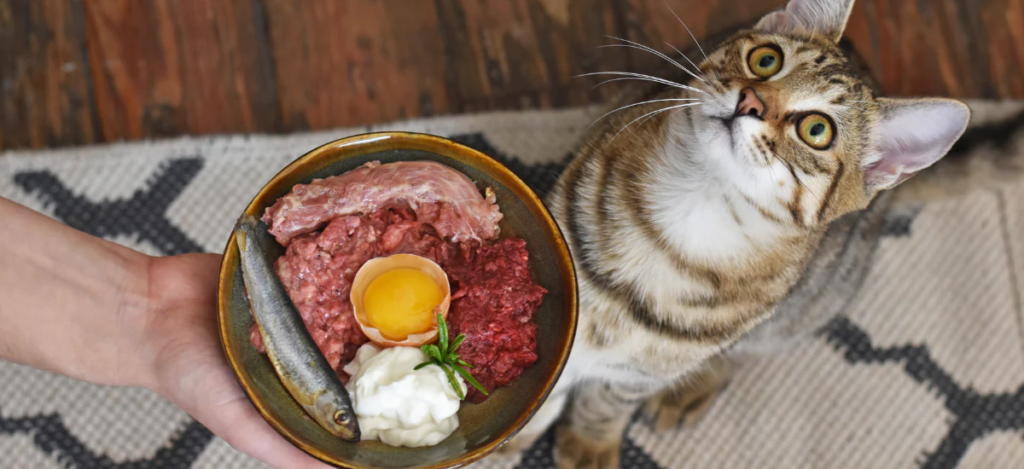
Precautions When Feeding Raw
When feeding raw cat food, one must be cautious about potential bacterial contamination risks. Raw meat can contain harmful bacteria such as Salmonella and E. coli, which can pose health risks to both cats and humans.
To mitigate these risks, it is essential to handle raw cat food safely. Firstly, always wash your hands and any surfaces that come into contact with the raw food thoroughly to prevent cross-contamination. Additionally, ensure that the raw meat is fresh and of high quality to reduce the likelihood of bacterial contamination.
Proper storage of raw cat food is also crucial – keep it refrigerated or frozen until feeding time to inhibit bacterial growth. Furthermore, use separate feeding dishes for raw food to prevent contamination with other foods. Regularly clean and sanitize feeding dishes and food preparation areas to maintain a hygienic feeding environment for your cat.
DIY Vs. Commercial Raw Cat Food
Comparing the advantages and disadvantages of DIY and commercial raw cat food can help cat owners make informed decisions regarding their feline companion’s diet. DIY raw cat food provides the freedom to choose specific ingredients, ensuring quality and freshness. This option allows for customization based on the cat’s preferences or dietary requirements, making it suitable for cats with allergies or sensitivities. Additionally, preparing raw cat food at home can be cost-effective in the long run.
On the other hand, commercial raw cat food offers convenience and saves time. It eliminates the need for sourcing individual ingredients and calculating nutritional balance, providing a ready-to-serve meal for cats. Commercial raw cat food products often undergo rigorous testing to meet nutritional standards and may offer a wider range of flavors and formulations to cater to different cats’ needs.
Ultimately, the decision between DIY and commercial raw cat food depends on factors such as time availability, budget, nutritional expertise, and the specific dietary requirements of the cat. Cat owners should carefully weigh these factors to choose the option that best suits their lifestyle and their cat’s health.
Conclusion
In conclusion, raw cat food offers numerous benefits such as improved digestion, healthier coat, and increased energy levels. The nutritional value of a raw diet provides essential nutrients that may be lacking in processed foods.
Transitioning to raw cat food should be done gradually to avoid digestive issues. Precautions should be taken to minimize the risk of bacterial contamination.
When choosing between DIY and commercial raw cat food, it is important to consider factors such as convenience, cost, and nutritional balance.