
Inaccurate chloride results commonly arise from sampling errors, contamination, or improper storage that alter concentrations. Matrix effects and interfering ions (bromide, iodide, nitrates) or organics can skew readings. Instrument issues include poor calibration, drift, or degraded reagents and controls. Human factors—wrong method selection, timing, dilutions, or documentation lapses—also cause mistakes Chlorine test. Troubleshooting requires systematic checks of samples, reagents, calibration, and procedures; further guidance outlines specific fixes and prevention steps.
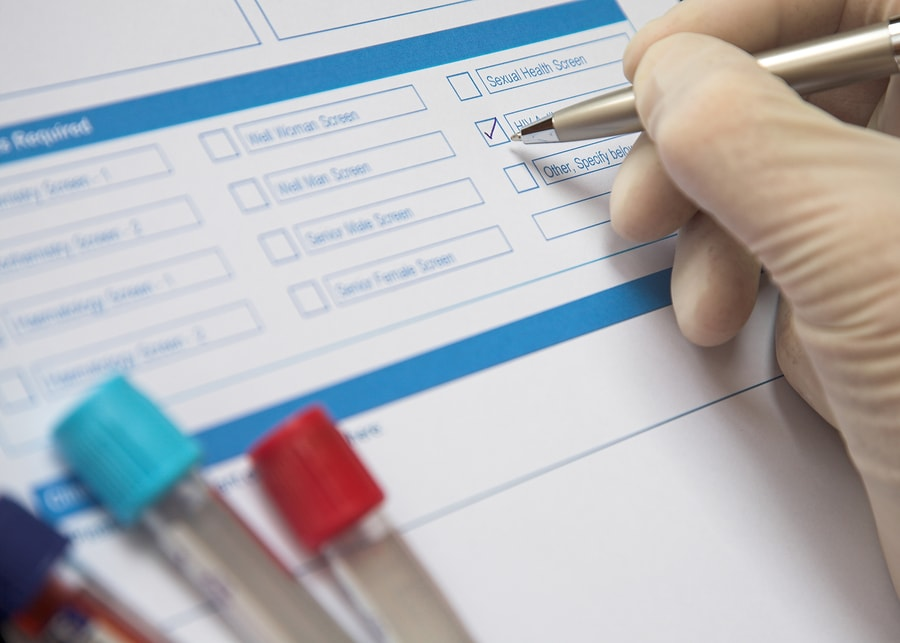
Quick Verification Checklist: How to Tell If a Chloride Result Is Wrong
When a chloride measurement appears inconsistent with expectations, a quick verification checklist helps determine whether the result is erroneous or reflects a true sample characteristic. The verifier first confirms instrument calibration and recent maintenance logs, ensuring standards and controls produced acceptable values.
Next, reagent integrity and expiration dates are checked, plus proper reagent storage conditions. The sample identity, labeling, and chain-of-custody are reviewed to rule out mix-ups.
Analytical parameters—dilutions, blank corrections, and calculation steps—are rechecked for transcription or arithmetic errors. If automated, software settings and method selections are inspected.
Finally, a repeat analysis on the same aliquot or a split sample is performed https://laballiance.com.my/. Any persistent discrepancy prompts escalation to supervisory review and controlled reanalysis.
Sampling Errors That Change Chloride Levels (How to Avoid Them)
Verification steps can confirm instrument and procedural integrity, but sampling errors remain a frequent source of altered chloride readings and must be addressed separately. Proper sampling preserves true concentrations: avoid contamination from hands, containers, or reagents; prevent evaporation or dilution during transport; and guarantee representative collection across heterogeneous matrices.
Clear chain-of-custody and labeling support sample integrity and autonomy for analysts. Empowered personnel should follow standardized volumes, use inert containers, and minimize headspace to limit gas exchange. Temperature control during transit reduces concentration shifts.
For practical focus, consider these prioritized actions:
- Use clean, inert containers and avoid cross-contact to prevent contamination.
- Collect representative aliquots and maintain consistent volumes to prevent bias.
- Control temperature and transport time to prevent evaporation or microbial alteration.
Adherence preserves freedom to trust measured chloride values.
Ion and Matrix Interferences in Chloride Tests : Common Culprits & Fixes
Although chloride determinations are straightforward in ideal matrices, common co-ions and complex sample compositions frequently distort results by causing electrode response shifts, precipitation, or spectral overlap.
Interfering anions (e.g., bromide, iodide, nitrate) can produce false positives in ion-selective electrodes or overlap in spectrophotometric assays.
High ionic strength or strong complexing cations (e.g., Ag+, Pb2+) alter activity coefficients and promote chloride precipitation, removing analyte from solution.
Organic matter and colloids adsorb chloride or foul membranes, while pH extremes change speciation.
Remedies include matrix-matched standards, selective masking agents, sample dilution with activity correction, filtration or centrifugation, and choosing orthogonal methods (ion chromatography versus ISE) to confirm results.
Routine verification with spiked recoveries validates interference control.
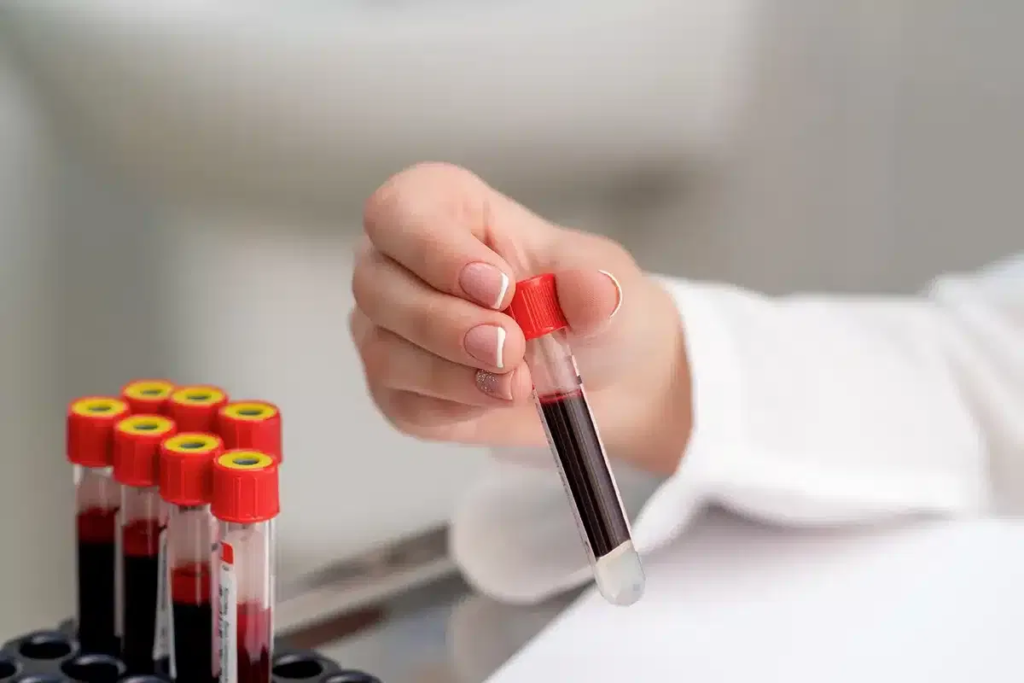
Calibration, Drift & Reagent Contamination in Chloride Analyzers (Troubleshoot)
Because accurate chloride readings depend on stable instrument response and clean reagents, calibration integrity, signal drift, and reagent contamination are frequent sources of systematic error in chloride analyzers. The text reviews methods to detect and correct these issues without constraining operator autonomy: verify calibration against fresh standards, monitor blank and control trends, and replace suspect reagent batches.
Routine checks allow operators to act decisively.
- Recalibrate regularly with traceable standards; document deviations and adjust slope/offset.
- Track instrument drift by plotting repeated control measurements; apply corrective maintenance when trends exceed limits.
- Inspect reagents for turbidity, precipitation, or unexpected color; quarantine and retest questionable lots before use.
These practices preserve reliable data while enabling independent, informed decision-making.
Human Errors and Method Choice: Timing, Documentation, and Picking the Right Test
After addressing calibration integrity, drift patterns, and reagent quality, attention turns to operator-dependent factors that commonly compromise chloride results. Human errors—imprecise timing, inconsistent sample handling, and incomplete documentation—introduce variability that limits reliable interpretation.
Selecting an inappropriate method for sample matrix or required detection limits compounds mistakes; manual titrations demand steady technique, while ion-selective electrodes require proper equilibration. Clear protocols, timestamped records, and routine competency checks empower technicians to act with autonomy and responsibility.
Choice of method should match throughput, accuracy needs, and field constraints to preserve freedom of workflow without sacrificing data integrity. Regular audits that focus on error patterns, not blame, enable corrective training and method adjustments that restore consistent, defensible chloride measurements.
Conclusion
In conclusion, inaccurate chloride results most often stem from preventable issues: improper sampling, matrix and ion interferences, calibration drift, reagent contamination, and human error. Routine verification checks, careful sampling protocols, appropriate method selection, and strict documentation reduce risk. Regular maintenance, interference mitigation, and timely calibration with validated reagents restore confidence in analyzers. Consistent training and adherence to procedures ensure chloride measurements remain reliable for informed decisions.